
Travel Sri Lanka Hub Editorial Team
Local Expert VerifiedSri Lankan Travel Specialists & Local Explorers
Fact-Checked Guarantee: Ticket fees, train timings, and visiting rules are verified with official Sri Lanka tourism authorities and local operators.
Noticed a change? Report an update to help our community keep information 100% accurate.
Sri Lankan cuisine is one of the great reasons to visit the island. Its food culture combines rice, coconut, seafood, vegetables, spices and centuries of culinary influences.
Every region has its own specialties, and even simple everyday meals can contain an incredible variety of flavors. From roadside food stalls to family-run restaurants, eating in Sri Lanka is an essential part of the travel experience.
Here are 20 foods and drinks you should consider trying during your Sri Lankan adventure.
In This Guide
The Food List
20 Sri Lankan Foods to Try
20
dishes

Rice and Curry
Rice and curry is the heart of Sri Lankan home cooking. A typical plate combines rice with several curries, vegetables, sambols, dhal and sometimes meat or seafood.
Why try it?
It gives you a taste of several flavors and textures in a single meal.
Where to try
Local restaurants, family-run eateries and traditional rice-and-curry shops.
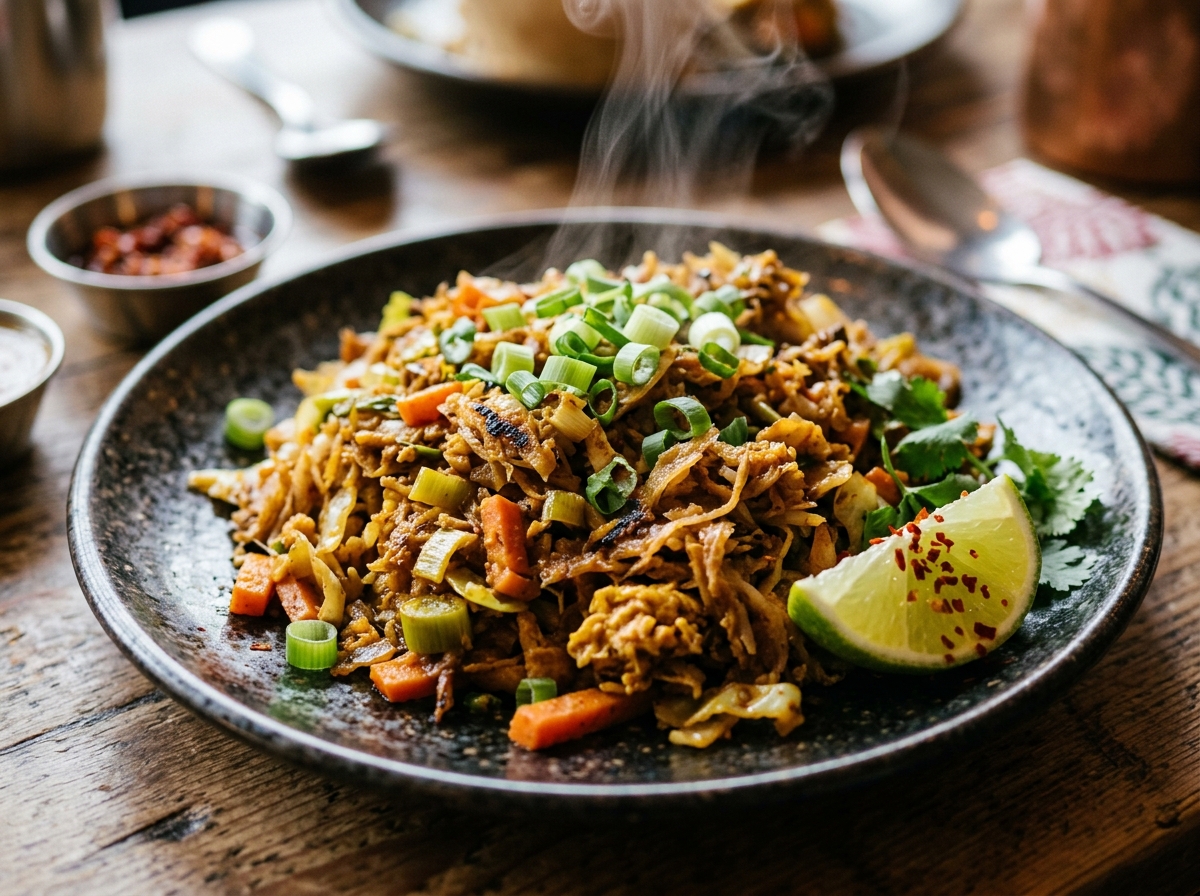
Kottu Roti
Kottu is made by chopping flatbread on a hot metal plate and mixing it with vegetables, egg, meat or cheese together with spices and sauces.
Why try it?
The rhythmic sound of the metal blades chopping the roti is almost as memorable as the food itself.
Where to try
Small local restaurants and evening street-food spots.

Hoppers
Hoppers are bowl-shaped pancakes made from a fermented rice-flour and coconut-milk batter. They are crispy around the edges and soft in the center.
Why try it?
They are one of the most iconic foods to experience in Sri Lanka.
Where to try
Breakfast restaurants and traditional local eateries.
Egg Hoppers
Egg hoppers are a variation of the traditional hopper with an egg cooked directly inside the bowl-shaped pancake.
Why try it?
The combination of crispy edges and a soft egg center makes this a favorite breakfast and dinner choice.
Where to try
Local restaurants and roadside eateries.

String Hoppers
String hoppers are delicate nests of steamed rice-flour noodles traditionally served with dhal curry, coconut sambol or coconut-based curries.
Why try it?
They are light, filling and especially good with flavorful Sri Lankan curries.
Where to try
Breakfast restaurants and family-style Sri Lankan restaurants.
Dhal Curry
Sri Lankan dhal curry is made from lentils cooked with coconut milk, spices, onion and other aromatics.
Why try it?
It is creamy, comforting and pairs beautifully with rice, roti and string hoppers.
Where to try
Almost any traditional Sri Lankan restaurant.
Pol Sambol
Pol sambol is a fresh coconut condiment made with grated coconut, chilli, onion, lime and seasoning.
Why try it?
Its fresh, spicy and tangy flavor adds brightness to almost any Sri Lankan meal.
Where to try
Served alongside rice, hoppers, roti and string hoppers.
Parippu
Parippu curry is a lentil-based dish cooked with spices and coconut milk. It is one of the most common curries found in Sri Lankan meals.
Why try it?
It is simple, creamy and an excellent introduction to Sri Lankan curries.
Where to try
Local rice-and-curry restaurants.
Lamprais
Lamprais is a Dutch-influenced Sri Lankan dish traditionally packed in a banana leaf with rice, meat curry, accompaniments and other flavorful components.
Why try it?
It reflects Sri Lanka's fascinating multicultural culinary history.
Where to try
Traditional Sri Lankan restaurants and specialty food shops.

Fish Ambul Thiyal
Ambul thiyal is a famous Sri Lankan sour fish curry, traditionally prepared with firm fish, goraka and a blend of spices.
Why try it?
It has a distinctive sour, spicy and intensely savory flavor.
Where to try
Southern Sri Lankan restaurants and traditional seafood restaurants.
Devilled Chicken
Devilled chicken is a spicy stir-fried dish combining chicken with onions, peppers, chilli and a savory-sweet sauce.
Why try it?
It is packed with bold flavors and is popular in restaurants across the island.
Where to try
Local restaurants, pubs and casual dining spots.
Isso Wade
Isso wade is a crispy lentil fritter topped with prawns or shrimp and served as a popular Sri Lankan street snack.
Why try it?
It combines crunchy texture, spicy seasoning and seafood flavor.
Where to try
Street-food vendors and busy local markets.
Vadai
Vadai are crispy savory fritters made primarily from lentils or other legumes, often flavored with onion, chilli and curry leaves.
Why try it?
They are inexpensive, flavorful and perfect as a quick snack.
Where to try
Markets, train stations and street-food vendors.
Pol Roti
Pol roti is a rustic flatbread made with flour and grated coconut. It is commonly served with coconut sambol or curry.
Why try it?
It is simple, hearty and deeply connected to everyday Sri Lankan cooking.
Where to try
Local breakfast shops and home-style restaurants.

Watalappam
Watalappam is a rich steamed coconut custard made with jaggery, coconut milk, eggs and warm spices such as cardamom.
Why try it?
Its smooth texture and caramel-like sweetness make it one of Sri Lanka's most loved desserts.
Where to try
Traditional restaurants and dessert shops.

Kavum
Kavum is a traditional Sri Lankan sweet made from rice flour and treacle and deep-fried until golden.
Why try it?
It is strongly associated with Sri Lankan festive food traditions.
Where to try
Traditional sweet shops and festive food stalls.
Pittu
Pittu is made by steaming layers of rice flour and grated coconut. It is usually served with curry or coconut milk.
Why try it?
The combination of steamed rice flour and coconut creates a unique texture.
Where to try
Traditional breakfast restaurants.
Kiribath
Kiribath, or milk rice, is rice cooked with coconut milk until it becomes rich and creamy, then shaped and cut into pieces.
Why try it?
It is strongly connected with celebrations, special occasions and Sri Lankan cultural traditions.
Where to try
Traditional homes, breakfast restaurants and cultural food experiences.
Kokis
Kokis is a crispy deep-fried snack made from rice flour and coconut milk using a decorative mould.
Why try it?
Its crunchy texture and distinctive shape make it a popular traditional snack.
Where to try
Traditional sweet shops and festive markets.

Ceylon Tea
Sri Lanka is famous around the world for Ceylon tea. The island's central highlands produce different varieties with distinctive flavors and aromas.
Why try it?
A visit to Sri Lanka's tea country is incomplete without experiencing its famous tea culture.
Where to try
Tea estates, tea factories, cafés and traditional tea houses.
Rice and Curry: The Heart of Sri Lankan Food
If you only have time for one traditional meal in Sri Lanka, make it a good plate of rice and curry.
What can be on the plate?
Sri Lankan Street Food
Sri Lankan street food is affordable, flavorful and full of character. Evening is often a great time to explore local food stalls and casual restaurants.
Kottu
Chopped roti cooked with vegetables, egg, meat or cheese.
Vadai
Crispy lentil fritters commonly enjoyed as a snack.
Isso Wade
Crunchy lentil fritters topped with prawns or shrimp.
Traditional Sri Lankan Breakfast
Sri Lankan breakfasts are often much more substantial than a simple continental breakfast.
Hoppers
Crispy bowl-shaped pancakes served with sambol, curry or egg.
String Hoppers
Steamed rice-flour noodles served with curry and coconut-based accompaniments.
Pittu
Steamed rice flour and coconut served with curry or coconut milk.
Pol Roti
Coconut flatbread often served with spicy sambol.
Kiribath
Coconut-milk rice traditionally associated with special occasions.
Seafood You Should Try
With the Indian Ocean surrounding the island, seafood plays an important role in Sri Lankan cuisine.
Fish Ambul Thiyal
This distinctive sour fish curry is particularly associated with southern Sri Lankan cooking. The combination of firm fish, spices and goraka gives it a unique flavor.
Along the coast, you can also find grilled fish, prawns, crab, cuttlefish and other seafood prepared with Sri Lankan spices.
Sri Lankan Sweets & Desserts
Watalappam
Rich coconut custard sweetened with jaggery and flavored with warm spices.
Kavum
Deep-fried rice-flour sweet traditionally made with treacle.
Kokis
Crispy decorative rice-flour snack commonly associated with celebrations.
Best Sri Lankan Foods for Vegetarians
Sri Lanka is a particularly good destination for travelers who enjoy vegetarian food. Many traditional meals naturally include multiple vegetable and lentil dishes.
Is Sri Lankan Food Very Spicy?
Sri Lankan food is known for bold flavors, but not every dish is extremely hot. Chili is commonly used, while other spices such as cinnamon, cardamom, cloves, curry leaves, cumin and coriander contribute to the overall flavor.
Tell the restaurant your spice preference
If you are not used to spicy food, simply ask for your meal to be prepared less spicy. You can also start with milder dishes such as dhal curry, hoppers and coconut based dishes.
Sri Lankan Food Tips for Travelers
Try local restaurants instead of eating only at international hotels.
Ask what is freshly prepared before ordering.
If you cannot tolerate spicy food, tell the restaurant clearly.
Wash your hands before eating when enjoying a traditional meal by hand.
Drink bottled or otherwise reliably treated water when travelling.
Try breakfast at a local restaurant at least once.
Do not be afraid to ask what an unfamiliar dish contains.
Try seasonal fruits and fresh coconut drinks.
Carry tissues or wet wipes when exploring local food stalls.
Leave room for traditional desserts and sweets.
Where to Experience Sri Lankan Food
Food is one of the best ways to experience different parts of the island. Coastal towns, cultural cities and hill-country destinations all offer different food experiences.


Sri Lankan Food FAQ
What is the most famous food in Sri Lanka?
Rice and curry is one of the most iconic and widely eaten Sri Lankan meals. Kottu roti and hoppers are also among the country's most recognizable dishes.
Is Sri Lankan food vegetarian-friendly?
Yes. Sri Lankan cuisine has a large variety of vegetarian dishes, including dhal curry, vegetable curries, hoppers, string hoppers, pittu and coconut-based sambols.
What should I eat for breakfast in Sri Lanka?
Hoppers, egg hoppers, string hoppers, pittu, pol roti and kiribath are excellent traditional breakfast choices.
What Sri Lankan street food should I try?
Kottu, vadai and isso wade are popular options. Local snacks and short eats also vary between regions.
Is Sri Lankan food always spicy?
No. Some dishes are very spicy, but many traditional foods are mild or can be prepared with less chili. Let the restaurant know your preferred spice level.
What drink is Sri Lanka famous for?
Ceylon tea is Sri Lanka's most famous beverage export and is an important part of the island's food and cultural identity.